
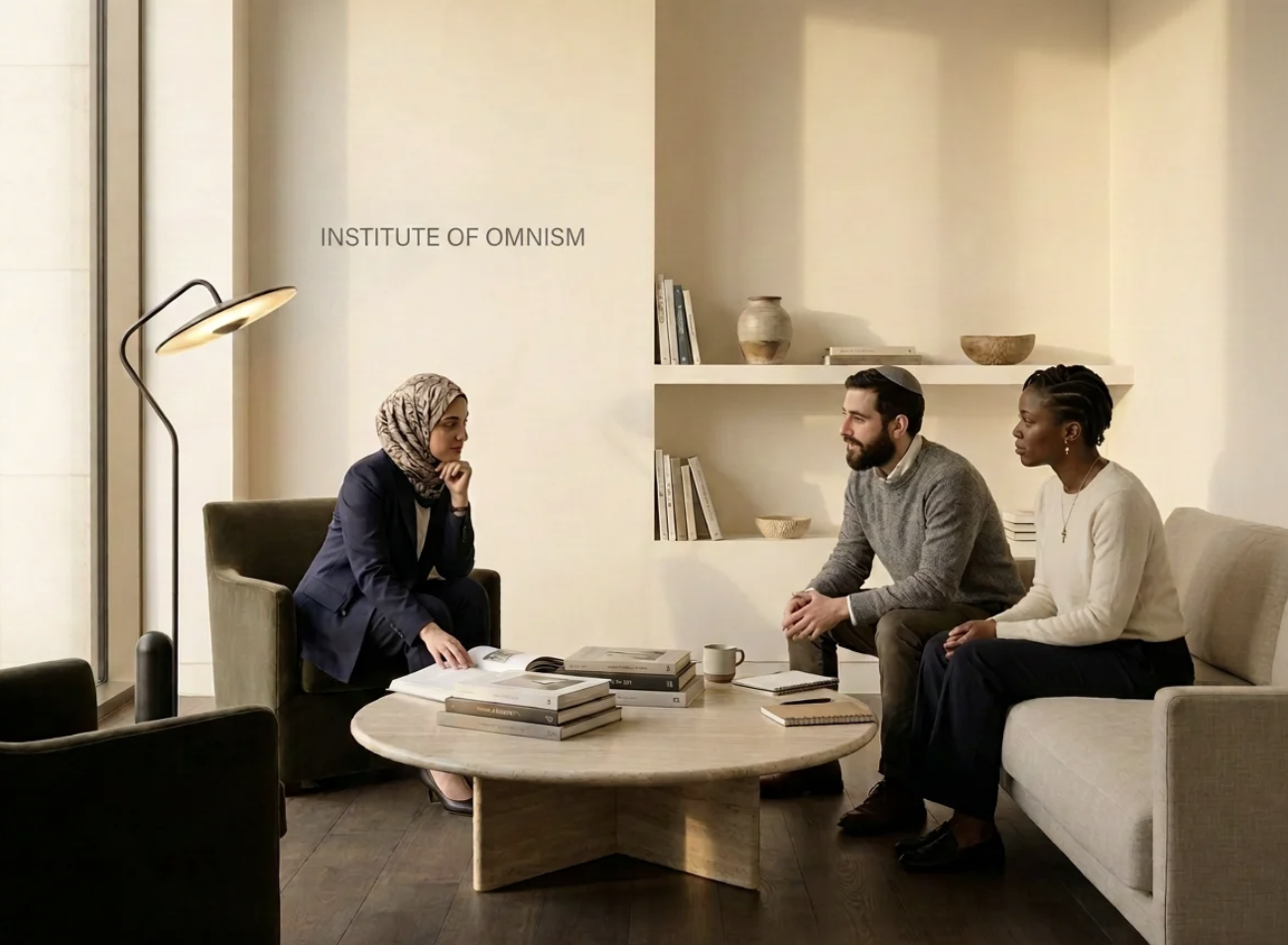
Omnism is respect for every path, and openness to the truth in all of them.
It is not a replacement for anyone's faith. It is a way of listening to all of them

Steward the earth: Every tradition treats the natural world as something given in trust. We are caretakers, not owners. We protect the land, the water and every living thing we share them with, and we leave them better for those who come after us.
Become better: Growth is a daily practice, of the spirit and of the body. The traditions offer different paths, but each asks us to become more patient, more honest and more whole than we were yesterday.
Live the golden rule: Treat others the way you want to be treated. Some version of this appears in nearly every tradition on earth. It is the simplest teaching and the hardest to live, which is why we return to it every day.
Our Three Principles
We set the world's traditions side by side, send you to the original texts, and end every lesson with something to practice.
Founder, Rich February
February
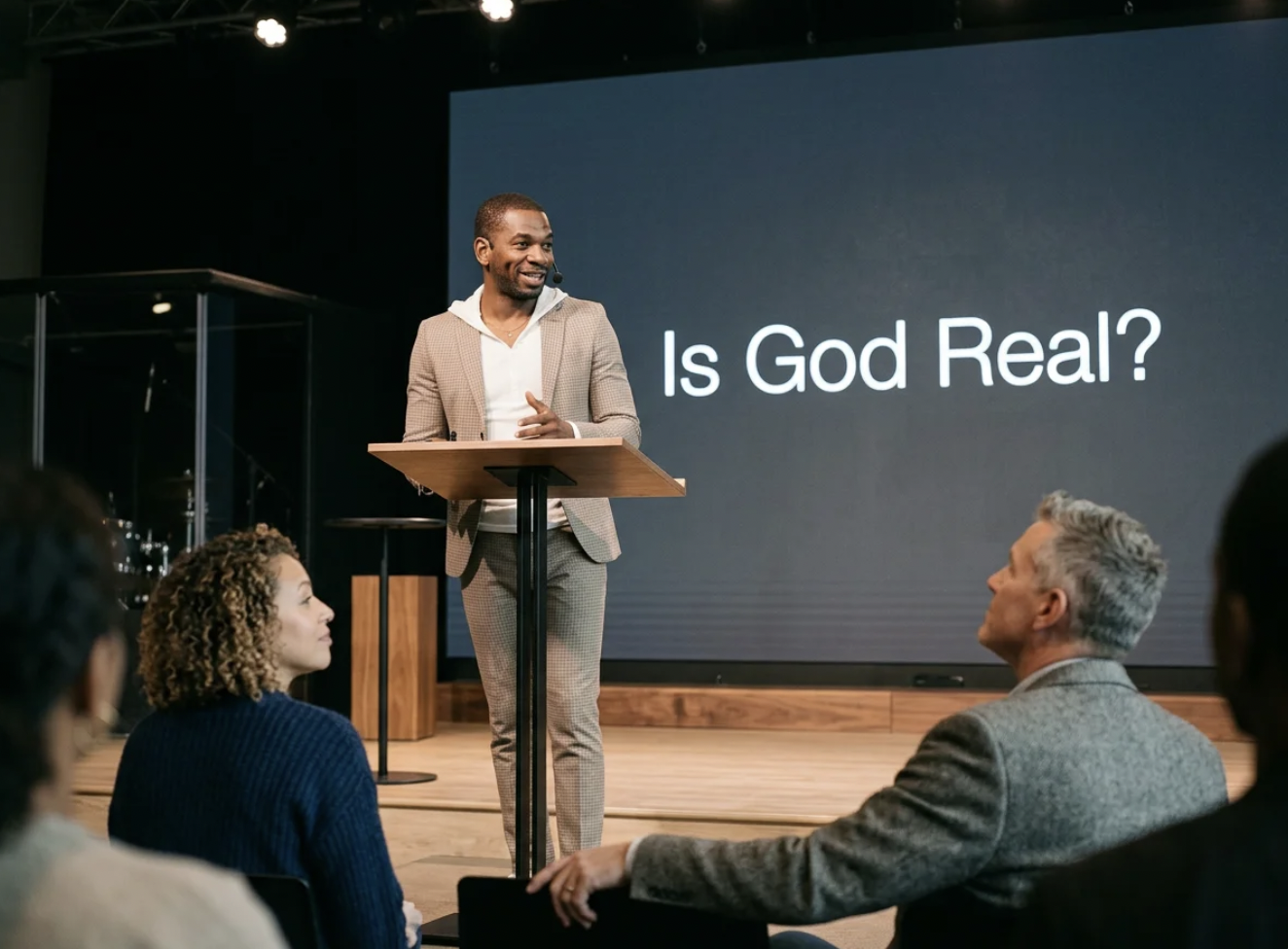
February is a philosopher and a PhD candidate in Global Leadership Studies at Gonzaga University, where his research focuses on AI ethics. He grew up between Chicago and Brooklyn, built a career in luxury brand management, and served as an Equity Officer for the City of Chicago before founding the Institute of Omnism.
Is Omnism a religion? Omnism is respect for, and openness to, truth across religious traditions. At IOO we teach it as a way of learning, not as a new institution to join.
Do I have to leave my own faith? No. You are welcome here whatever you practice, or if you practice nothing at all.
Is IOO affiliated with a religious body? No. The Institute of Omnism is an independent education nonprofit based in Chicago.
Are the tools free? Yes. Founding supporters keep every IOO tool and course free to use.