FUTURE
PROJECTS
INSTITUTE OF
OMNISM
THE FARM PROGRAM
Cultivating the Earth. Cultivating the Self.
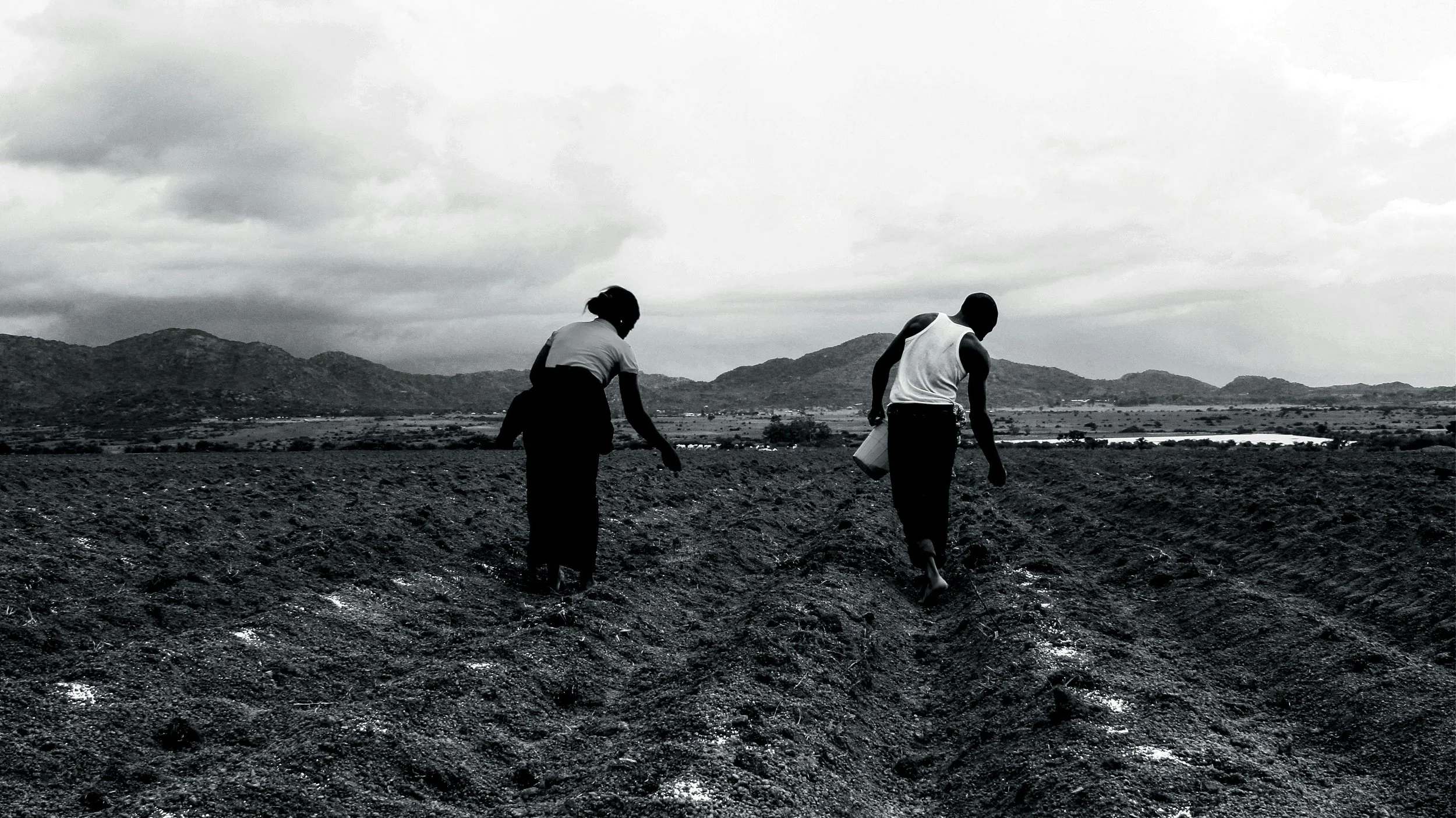
The Farm Program is a future immersive learning and retreat experience connecting spirituality, sustainability, food, nature, and community. Participants will explore regenerative growing practices, environmental stewardship, wellness, and the ways different religious and cultural traditions understand humanity’s relationship with the Earth.
Designed as a collaborative learning environment rather than a religious hierarchy, the program will bring people of different beliefs together to learn from one another, work with the land, reflect, and practice sustainable living. The long-term vision is a living spiritual and educational space where caring for the Earth becomes part of caring for ourselves, our communities, and future generations.
Program themes: Spirituality + Nature • Sustainable Living • Regenerative Agriculture • Retreat & Reflection • Community Learning
INSTITUTE
·
OF
·
OMNISM
·
INSTITUTE · OF · OMNISM ·

HOW WE LEARN TOGETHER
-

EXPLORE
Discover religious traditions, philosophies, sacred texts, histories, and spiritual practices beyond what you already know.
-

CONNECT
Identify the values that intersect across traditions—compassion, justice, stewardship, love, wisdom, service, and our shared humanity.
-

EXPERIENCE
Move beyond information through dialogue, mentorship, religious art tours, nature, sustainability programs, retreats, and encounters with diverse communities.
-

INTEGRATE
Reflect on what you have learned without being asked to abandon your own beliefs. Carry new understanding into your faith, relationships, leadership, and everyday life.
RELIGIOUS ART TOUR
See Faith Through Another Lens.
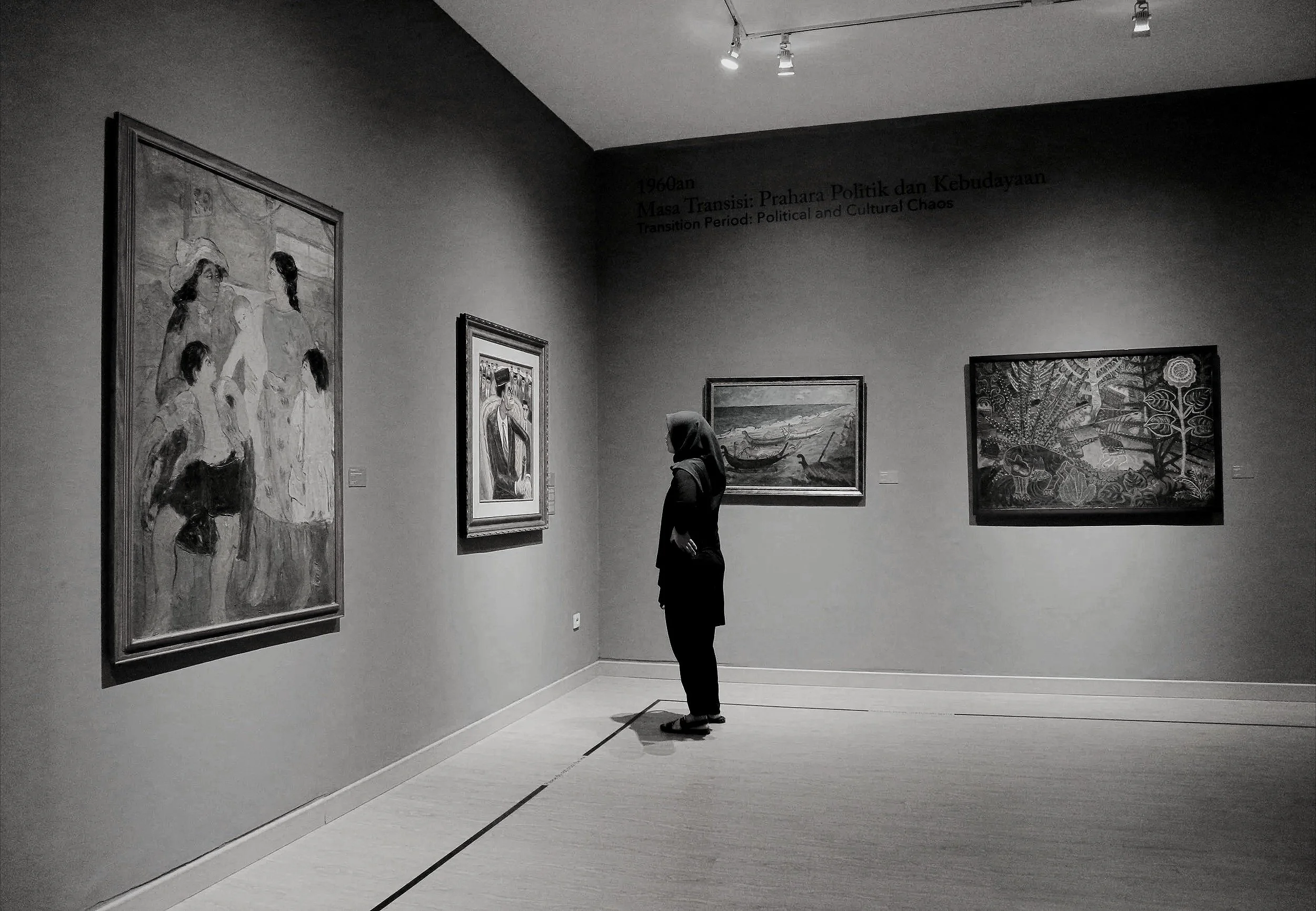
The Religious Art Tour is an immersive cultural and educational experience exploring how humanity has expressed its understanding of God, the sacred, morality, suffering, beauty, identity, and the meaning of life through art.
Through guided visits to museums, galleries, sacred spaces, architecture, monuments, and cultural sites, participants encounter works influenced by Christianity, Islam, Judaism, Hinduism, Buddhism, Indigenous traditions, African spiritual traditions, and other belief systems. Rather than asking participants to adopt another tradition, the experience encourages them to examine what connects traditions, what distinguishes them, and how encountering another worldview can deepen understanding of their own.
The program ultimately transforms art into a form of interfaith dialogue without requiring everyone to enter the conversation with the same beliefs.
Program themes: Sacred Art • Religious History • Architecture • Cultural Context • Interfaith Understanding • Personal Reflection
I would also position these alongside the Faith Intersection Tool as three different ways of learning: digital exploration → cultural encounter → lived experience. That gives the Institute a very coherent educational ecosystem.